

Feeling tired while travelling can make a treatment promising a quick improvement sound attractive. Before considering IV therapy in Phuket, the important step is an individual medical assessment. An infusion delivers substances directly into a vein, so the decision needs to address whether it is indicated, what it contains and how risks and follow-up will be managed.
Establish the reason for treatment before choosing a formula
Explain your symptoms, how long they have been present and any recent illness or changes in your health. Fatigue alone does not establish dehydration or a nutrient deficiency. A clinician should consider the possible cause and whether examination or testing is appropriate before recommending an intervention.
IV fluids and nutrients have established uses in particular medical circumstances, but that does not show that a wellness infusion will benefit a generally healthy traveller. Ask why an intravenous route is being proposed and whether oral fluids, dietary changes, oral supplements or another approach would be more appropriate in your case. Any alternative should follow the assessment rather than a standard package recommendation.
Request the ingredients and the reasoning behind them
Ask for the exact substances and doses proposed, together with the reason for each. A label such as energy or recovery does not explain the treatment. Tell the clinician about prescribed medicines, supplements and previous reactions so the plan can be checked for avoidable risks.
Evidence should relate to the proposed treatment and your circumstances. Research showing that a vitamin is essential to health does not establish that an extra intravenous dose improves wellbeing in someone who already has adequate levels. Likewise, findings about treating a deficiency should not automatically be applied to a one-off infusion for general wellness.
Discuss personal risks and who will manage them
Give a full medical history, including kidney or heart conditions and any pregnancy. The fluid volume and ingredients need to be considered together because receiving more fluid or nutrients is not necessarily beneficial. An explanation of suitability should include reasons to avoid treatment as well as circumstances in which it might be considered.
Risks can include infection, vein irritation, allergic reactions and problems from an inappropriate fluid or nutrient dose. Ask how the solution is sourced and prepared, and how sterile equipment is handled. A comfortable treatment room does not replace the clinical processes needed for an intravenous procedure.
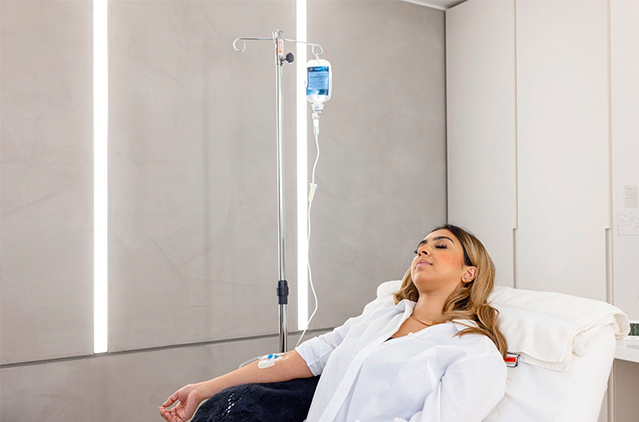 Confirm who will assess you, who will administer the infusion and who is responsible if a complication occurs. Ask for professional registration details that can be checked, and whether appropriately qualified staff will monitor you throughout. The provider should explain its emergency arrangements in terms you understand before you consent.
Understand the appointment and the costs in advance
Find out what the quoted price includes, particularly the consultation, any recommended tests, monitoring and follow-up. If further treatment is suggested, ask what finding would justify it and how progress would be reviewed. A discounted series of appointments should not determine the clinical plan.
Allow time for the assessment and any observation the clinician considers necessary. If the consultation identifies a reason not to proceed, you should understand the next step and any charges already incurred. You should also have an opportunity to ask questions without pressure to choose a formula immediately.
Arrange aftercare that remains useful when you leave
Obtain a record of what was administered, written aftercare instructions and a contact for concerns. Ask which symptoms require prompt medical attention and how to obtain care outside the clinic’s opening hours. This is particularly relevant if you will travel onward before any planned follow-up.
For people without a confirmed nutrient deficiency, there is limited evidence that vitamin infusions provide a benefit. That uncertainty belongs in the discussion alongside the risks and costs; a promise of feeling refreshed cannot replace a clear medical rationale.
An informed decision rests on a specific reason for treatment, suitable clinical oversight and a plan for what happens afterwards. The consultation should leave you understanding the recommendation, including whether proceeding with an infusion is appropriate at all.