
Pregnancy is a time when nutrition directly affects both maternal health and fetal development. While many foods are beneficial, some pose risks due to bacteria, parasites, toxins, or excessive nutrients that can interfere with a baby’s growth. Understanding which foods to avoid—and the reasons behind those recommendations—helps reduce preventable complications and supports a healthier pregnancy.
Why Certain Foods Are Risky During Pregnancy
A pregnant body undergoes immune and metabolic changes that make it more vulnerable to foodborne illnesses and nutrient imbalances. Some foods may contain harmful microorganisms, while others can expose the fetus to substances that affect brain development, organ formation, or pregnancy outcomes.
Raw and Undercooked Foods
Raw or undercooked animal products are a common source of Salmonella, E. coli, and Toxoplasma, which can cause severe illness during pregnancy.
Avoid:
- Raw or runny eggs
- Undercooked meat and poultry
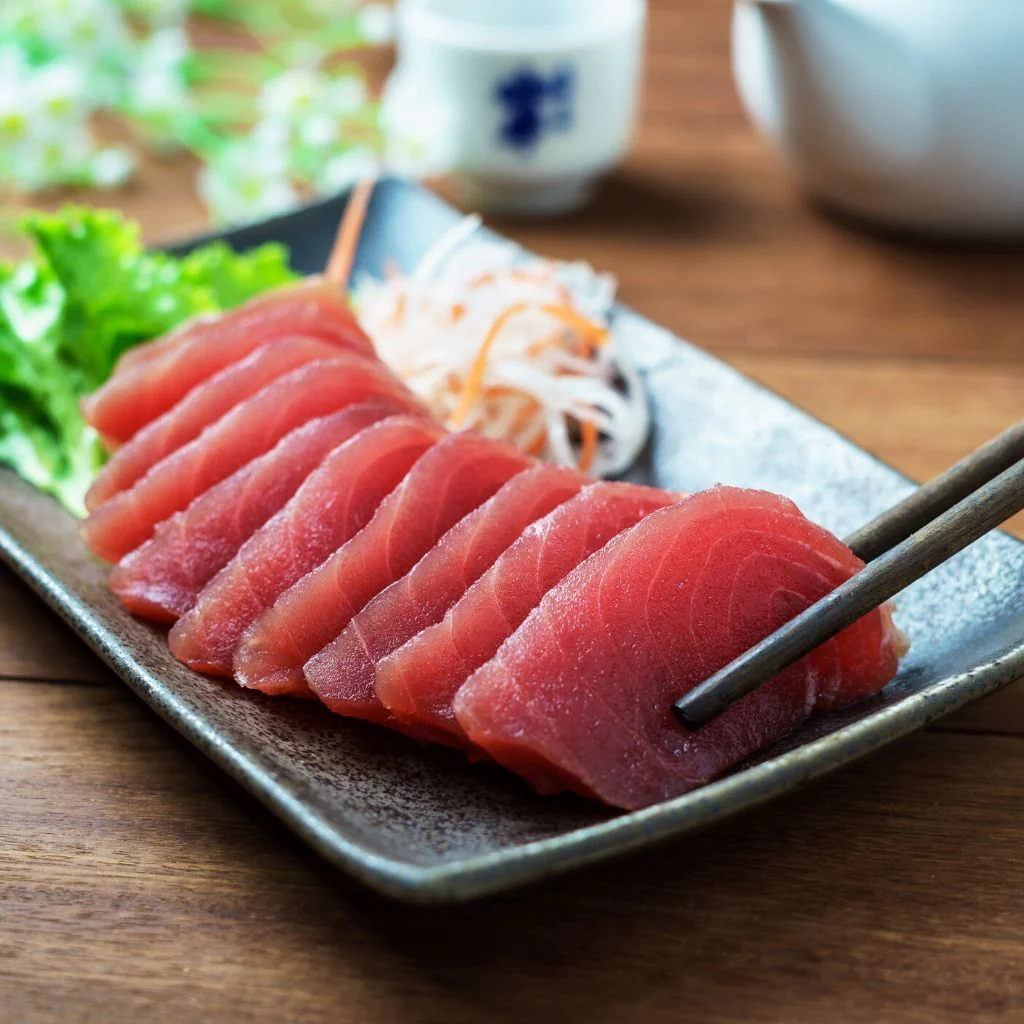
- Raw seafood and sushi
Why it matters: These bacteria and parasites can lead to dehydration, miscarriage, or preterm labor.
Unpasteurized Dairy Products
Unpasteurized milk and cheeses may carry Listeria, a bacterium especially dangerous during pregnancy.
Avoid:
- Unpasteurized milk
- Soft cheeses like Brie, Camembert, feta, and blue cheese unless clearly labeled pasteurized
Why it matters: Listeria infection can cross the placenta and increase the risk of miscarriage or stillbirth.
High-Mercury Fish
Fish is an excellent source of protein and omega-3 fatty acids, but some varieties contain excessive mercury.
Avoid or strictly limit:
- Shark
- Swordfish
- King mackerel
- Tilefish
Why it matters: Mercury can damage the developing brain and nervous system of the fetus.
Deli Meats and Ready-to-Eat Foods

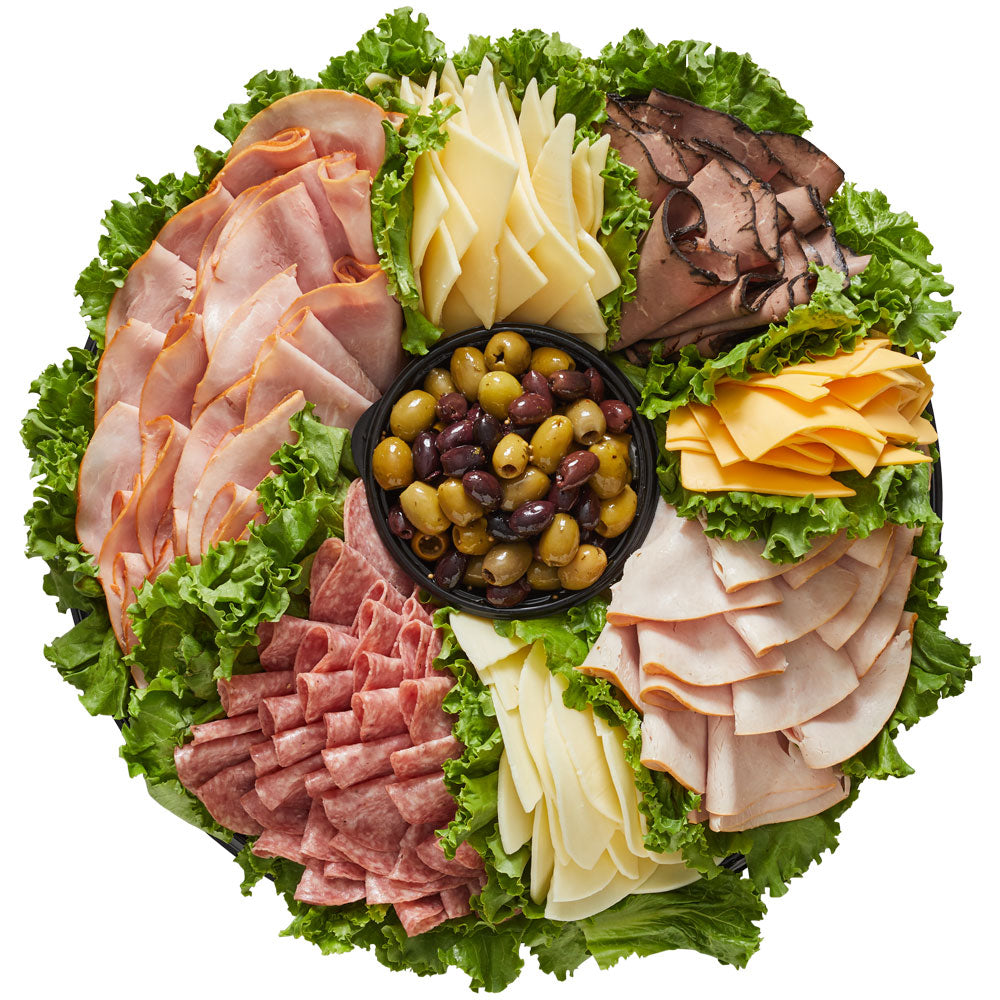
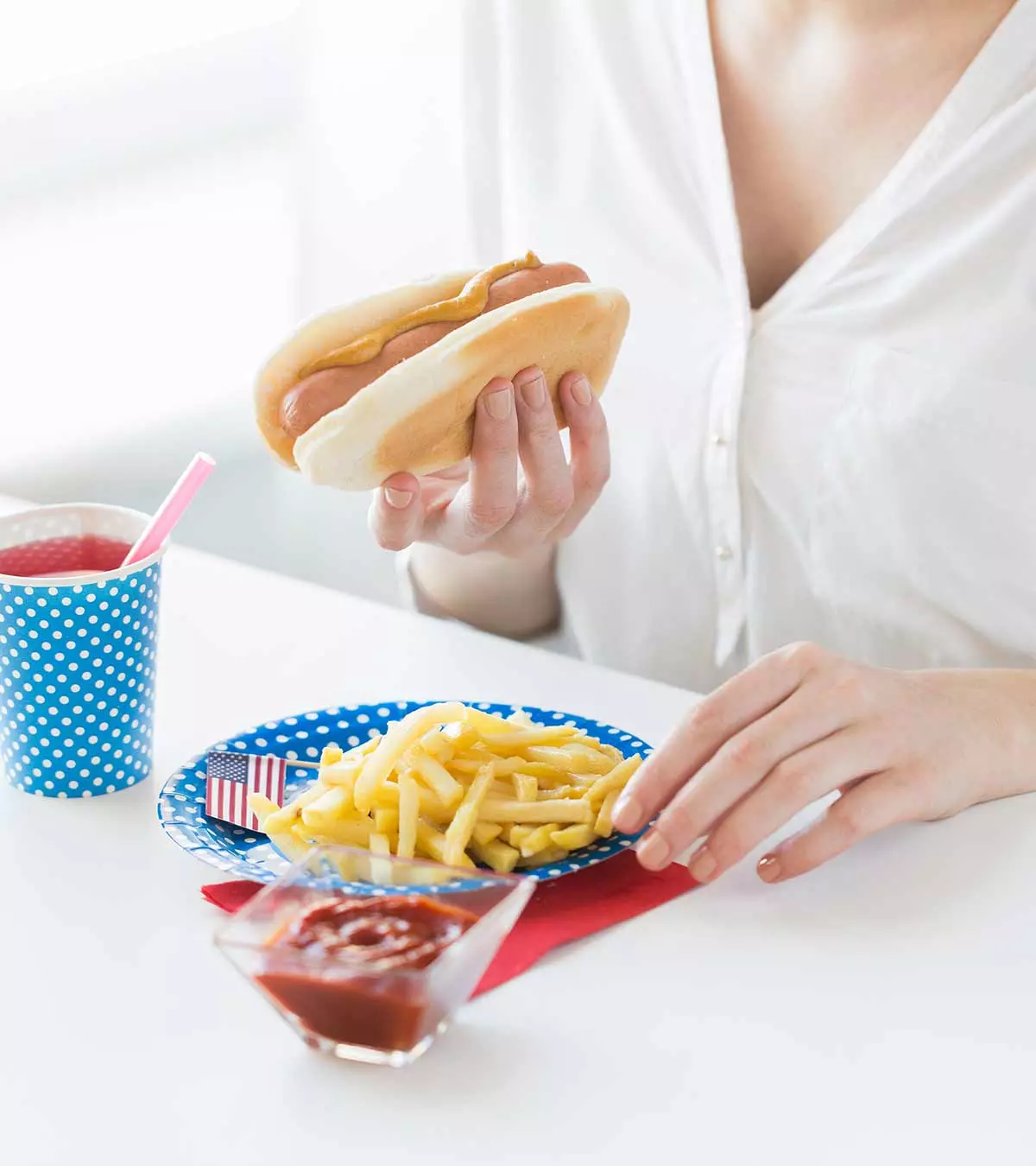

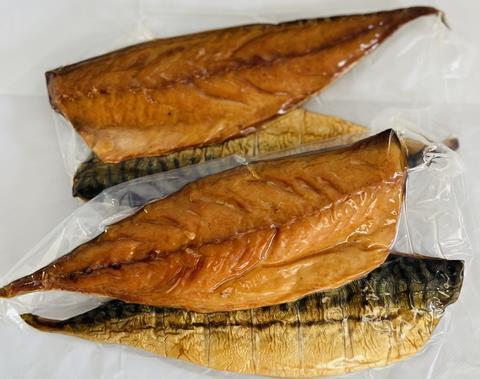
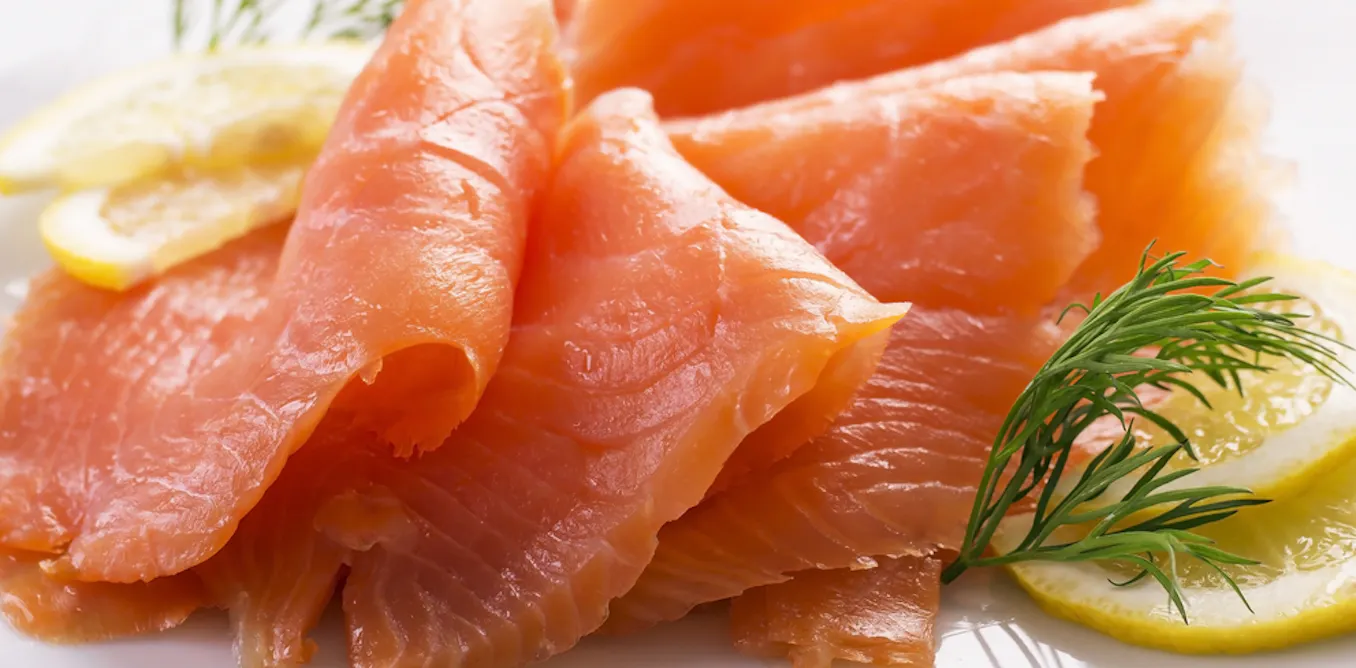
Processed meats and chilled ready-to-eat foods can harbor bacteria if not properly handled or reheated.
Avoid unless heated thoroughly:
- Deli meats and cold cuts
- Hot dogs
- Refrigerated smoked seafood
Why it matters: These foods are a known source of Listeria, even when refrigerated.
Excessive Caffeine
Caffeine crosses the placenta, and the fetus metabolizes it more slowly than adults.
Limit:
- Coffee
- Energy drinks
- Strong tea
- High-caffeine sodas
Why it matters: High caffeine intake has been linked to low birth weight and increased miscarriage risk.
Alcohol in Any Form
There is no established safe amount of alcohol during pregnancy.
Avoid completely:
- Beer, wine, and spirits
- Alcohol-infused desserts or beverages
Why it matters: Alcohol can cause fetal alcohol spectrum disorders, leading to lifelong physical, behavioral, and learning problems.
Foods High in Added Sugar and Ultra-Processed Items
While not always dangerous in small amounts, frequent consumption can affect pregnancy health.
Limit:
- Sugary snacks and desserts
- Highly processed fast foods
- Sweetened beverages
Why it matters: Excessive sugar intake increases the risk of gestational diabetes and excessive weight gain.
Herbal Teas and Supplements Without Medical Approval
Not all herbs are safe during pregnancy, even if they are marketed as “natural.”
Avoid unless approved by a healthcare provider:
- Certain herbal teas
- Herbal supplements
Why it matters: Some herbs can stimulate uterine contractions or interfere with hormones.
Final Thoughts
Avoiding high-risk foods during pregnancy is not about restriction—it’s about protection. Choosing properly cooked, pasteurized, and balanced foods significantly lowers the risk of infections and supports healthy fetal development. When in doubt, safer preparation and moderation are always better choices.
Frequently Asked Questions
1. Can I eat seafood during pregnancy at all?
Yes, low-mercury fish such as salmon, sardines, and trout are generally safe and provide important nutrients when eaten in moderation.
2. Are eggs safe if they are fully cooked?
Fully cooked eggs are safe. The risk arises only from raw or partially cooked eggs.
3. Is it safe to eat cheese during pregnancy?
Yes, as long as the cheese is made from pasteurized milk and properly stored.
4. How much caffeine is considered safe during pregnancy?
Most guidelines recommend limiting caffeine intake to about 200 mg per day, roughly one small cup of coffee.
5. Can I eat street food while pregnant?
Street food can be risky if hygiene and cooking practices are uncertain. Hot, freshly cooked food is safer than cold or pre-prepared items.
6. Are homemade foods always safer than packaged foods?
Homemade foods are often safer if prepared with clean hands, fresh ingredients, and proper cooking, but food safety practices still matter.
7. What should I do if I accidentally eat a restricted food?
In most cases, a single exposure does not cause harm. Monitor for symptoms and consult a healthcare provider if you feel unwell or concerned.
