
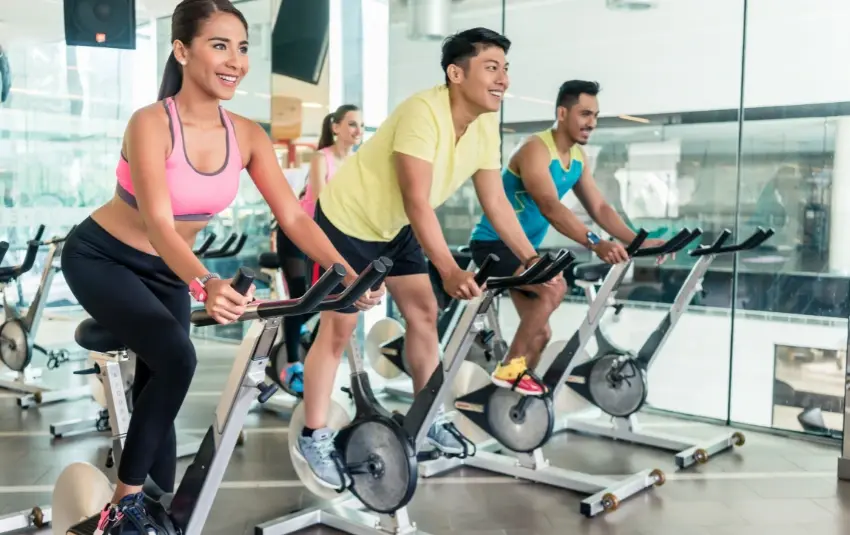
Living in a fast-paced city often means juggling long work hours, family commitments, and limited personal time. For many residents, finding an effective and sustainable way to stay fit becomes a real challenge. This is where indoor cycling singapore has gained strong traction among people who want measurable fitness results without being affected by weather, traffic, or unpredictable schedules. Indoor cycling offers a structured, time-efficient workout that fits seamlessly into modern urban life while supporting long-term weight management and overall health.
Unlike casual exercise routines, indoor cycling classes are designed to deliver consistent cardiovascular stimulation, muscular engagement, and calorie burn within a fixed timeframe. This makes them particularly appealing for individuals who want a results-driven approach to fitness without sacrificing productivity in other areas of life.
Why Indoor Cycling Aligns Well With Singapore’s Urban Lifestyle
Singapore is known for its efficiency, density, and structured routines. Fitness activities that succeed here often share similar traits, being time-conscious, effective, and scalable across different fitness levels. Indoor cycling fits naturally into this ecosystem because sessions usually last between 45 to 60 minutes and follow a structured progression that maximises output within a short period.
Another key factor is environmental comfort. Outdoor cycling in Singapore can be affected by high humidity, sudden rain, or heat stress. Indoor cycling eliminates these variables, allowing participants to focus purely on performance, form, and consistency. Over time, this consistency plays a critical role in achieving sustainable weight management.
The Science Behind Weight Management Through Indoor Cycling
Weight management is not just about burning calories in a single workout. It is about creating a sustainable energy balance over weeks and months. Indoor cycling contributes to this in several important ways that go beyond surface-level calorie expenditure.
High Caloric Burn Within a Controlled Timeframe
Indoor cycling sessions are typically interval-based, combining periods of high intensity with active recovery. This structure encourages the body to burn a significant number of calories in a relatively short period. Depending on intensity, body composition, and effort, participants can burn hundreds of calories per session while maintaining a manageable workout duration.
More importantly, the elevated heart rate during cycling stimulates post-exercise oxygen consumption. This means the body continues to burn calories even after the workout has ended, supporting long-term fat loss rather than temporary weight fluctuations.
Muscle Engagement That Supports Metabolic Health
While cycling is often associated with the lower body, a properly structured indoor cycling session engages multiple muscle groups. The quadriceps, hamstrings, glutes, and calves are continuously activated, while the core and upper body provide stability and control.
This muscle engagement supports lean muscle maintenance, which is crucial for metabolic health. A higher proportion of lean muscle helps the body utilise energy more efficiently throughout the day, even at rest. Over time, this contributes to more stable weight management rather than rapid cycles of loss and gain.
Psychological Factors That Influence Long-Term Consistency
One of the biggest obstacles in weight management is not lack of knowledge, but lack of consistency. Indoor cycling addresses several psychological barriers that commonly derail fitness routines.
Structured Classes Reduce Decision Fatigue
Many people struggle with deciding what workout to do, how long to train, or whether their effort is sufficient. Indoor cycling removes this uncertainty. Classes are instructor-led, structured, and goal-oriented. Participants simply show up and follow the session, reducing mental friction that often leads to skipped workouts.
Group Energy and Accountability
Exercising in a group environment creates a sense of shared effort and accountability. The collective energy of an indoor cycling class often motivates participants to push slightly beyond their perceived limits, resulting in better performance and higher calorie expenditure without feeling overwhelming.
This social aspect is particularly effective in Singapore, where structured group activities are culturally familiar and widely embraced.
Indoor Cycling as a Long-Term Lifestyle Choice
Weight management is not about short bursts of intense effort followed by long periods of inactivity. It is about adopting a routine that can be maintained alongside work, family, and social commitments. Indoor cycling supports this by being adaptable and scalable.
Participants can adjust resistance, cadence, and intensity based on their current fitness level. On days when energy is high, sessions can be more challenging. On recovery days, they can be moderated without skipping exercise entirely. This flexibility reduces burnout and supports long-term adherence.
Many people who commit to indoor cycling find that it becomes a non-negotiable part of their weekly routine rather than a temporary fitness experiment.
The Role of Professional Training Environments
A well-designed indoor cycling experience depends heavily on the quality of instruction, equipment, and overall environment. A professionally managed fitness facility ensures that sessions are safe, engaging, and aligned with fitness goals.
Facilities such as True Fitness Singapore focus on structured programming, modern equipment, and trained instructors who understand how to balance intensity with sustainability. This professional approach helps participants progress safely while minimising the risk of overtraining or injury.
The presence of qualified instructors also means that riders receive cues on posture, breathing, and effort distribution, which enhances both performance and results over time.
Integrating Indoor Cycling With Daily Nutrition Habits
While exercise plays a central role in weight management, it works best when paired with mindful nutrition. Indoor cycling does not require extreme dietary restrictions to be effective, but certain habits can enhance results significantly.
Cycling sessions increase energy demand, which means the body becomes more responsive to balanced meals. Many participants find that regular training naturally encourages better food choices due to improved appetite regulation and energy awareness.
Helpful nutrition practices include:
-
Consuming balanced meals with adequate protein to support muscle recovery
-
Staying hydrated throughout the day, especially in Singapore’s climate
-
Avoiding heavy meals immediately before cycling sessions
-
Prioritising nutrient-dense foods over highly processed options
When combined with consistent indoor cycling, these habits support gradual and sustainable weight changes rather than extreme fluctuations.
Indoor Cycling and Work-Life Balance
One of the less discussed benefits of indoor cycling is its impact on work-life balance. Regular cardiovascular exercise has been shown to improve focus, reduce stress, and enhance sleep quality. These benefits extend beyond physical appearance and contribute to overall quality of life.
For working professionals, an indoor cycling session can serve as a mental reset after a demanding day. The structured intensity helps release stress, while the rhythmic nature of cycling promotes mental clarity. Over time, this can lead to improved productivity and better emotional regulation.
Real-Life Scenarios Where Indoor Cycling Fits Best
Indoor cycling is particularly effective for:
-
Office professionals with limited weekday availability
-
Parents balancing family schedules and personal health
-
Individuals returning to fitness after a long break
-
People seeking structured workouts without outdoor exposure
Because sessions are predictable and time-bound, they are easier to plan around compared to open-ended gym workouts.
Frequently Asked Questions
How many indoor cycling sessions per week support healthy weight management?
Most people see consistent results with three to four sessions per week. This frequency allows the body to recover while maintaining a steady energy deficit that supports fat loss over time.
Is indoor cycling suitable for people with busy work schedules?
Yes. The structured duration and fixed class times make it easier to plan workouts in advance, even for individuals with long or irregular working hours.
Can indoor cycling help maintain weight after reaching fitness goals?
Indoor cycling is highly effective for weight maintenance because it supports cardiovascular health and muscle engagement. Many people continue cycling even after reaching their target weight to sustain results.
Does indoor cycling require prior fitness experience?
No prior experience is necessary. Resistance and intensity can be adjusted, allowing beginners and experienced riders to train side by side while working at their own capacity.
How long does it take to notice changes from regular indoor cycling?
Most participants begin noticing improvements in stamina and energy levels within a few weeks. Visible body composition changes often follow with consistent training and balanced nutrition.
Is indoor cycling effective without additional strength training?
Indoor cycling alone can support weight management and cardiovascular health. However, combining it with occasional strength-focused sessions may further enhance muscle balance and long-term metabolic health.
Indoor cycling continues to grow in popularity because it aligns with the realities of modern urban living. By offering structure, efficiency, and measurable outcomes, it provides a practical pathway for sustainable weight management and overall wellbeing in Singapore.
