
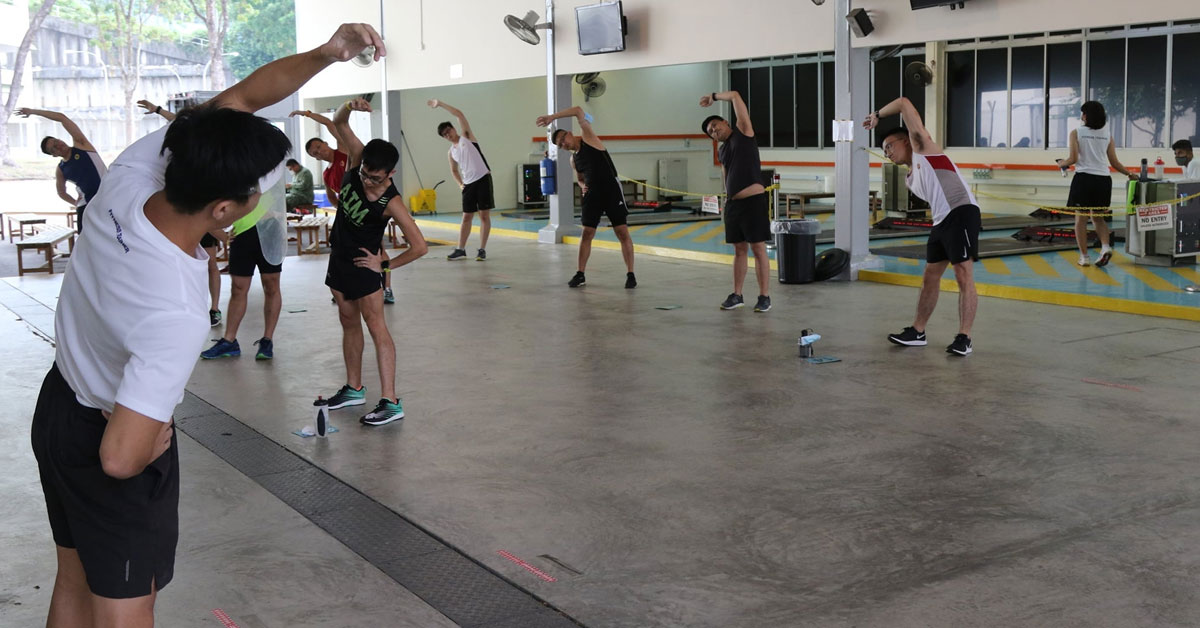
Why IPPT and NSFit preparation needs more than casual training
The Individual Physical Proficiency Test (IPPT) has long been a cornerstone of national service. More recently, the NSFit programme has introduced structured fitness options for servicemen and reservists. While both initiatives promote health and readiness, many individuals still struggle with performance standards. Running faster, improving push ups, or hitting the required sit up count takes more than random workouts.
A fitness trainer Singapore plays a crucial role here. Trainers understand the demands of IPPT and NSFit and design programmes that build the right balance of strength, speed, and endurance. Whether you are preparing for your first test, aiming for gold, or returning after years in the workforce, a tailored plan ensures efficiency and results.
The three pillars of IPPT performance
To excel, servicemen must focus on three distinct areas. A trainer designs each programme around these pillars, ensuring progress is balanced.
Strength and muscular endurance
The push up and sit up stations test upper body, core, and muscular endurance. Trainers often prescribe progressive routines with clear targets.
-
Push ups: incline, standard, weighted progressions, and explosive push ups
-
Sit ups: tempo sit ups, isometric holds, rotational core drills
-
Accessory moves: planks, side planks, Russian twists, banded pulls
Aerobic capacity
The 2.4 km run remains the ultimate challenge. Building cardiovascular fitness is about more than running laps aimlessly. Trainers employ:
-
Interval training to raise VO2 max
-
Tempo runs to sustain higher paces
-
Long easy runs to build endurance foundation
-
Hill sprints and stair climbs for leg power
Speed and agility
While IPPT focuses on fixed stations, NSFit includes broader performance elements such as agility, circuit drills, and functional conditioning. Trainers introduce:
-
Shuttle sprints
-
Ladder drills for coordination
-
Explosive plyometrics like jumps and bounds
-
Resistance band resisted runs
Together, these create a complete package for field and test-day performance.
Periodisation: the science of structured training
One of the biggest mistakes is training without a timeline. A fitness trainer Singapore uses periodisation, the systematic planning of workouts across weeks or months, to peak at the right time.
Phases of preparation
-
Base phase: focus on aerobic foundation, general strength, and mobility.
-
Build phase: increase volume and intensity, targeting weak test stations.
-
Peak phase: sharpen performance with test-specific intervals and simulations.
-
Recovery: tapering and deloads to prevent injury and maximise results.
This structured approach ensures continuous improvement without overtraining.
Common mistakes that hold back IPPT results
Trainers often observe patterns that sabotage performance.
-
Overtraining push ups daily without rest, leading to burnout
-
Running only long slow distances without speed work
-
Ignoring mobility, which reduces efficiency in movements
-
Last-minute “cramming” instead of consistent training over months
Correcting these habits with guidance makes a significant difference.
Adapting for different stages of life
Young servicemen in full-time national service have different needs compared to reservists balancing work and family. Trainers customise accordingly.
-
Full-time NSFs: higher training frequency, greater focus on peak athletic performance.
-
Reservists: time-efficient sessions, recovery emphasis, mobility for office-related stiffness, and test-specific drills.
-
Older servicemen: gradual progressions, joint-friendly strength work, and realistic pacing strategies.
The adaptability of a trainer ensures that regardless of age or occupation, standards remain achievable.
Recovery and injury prevention
Pushing for higher scores often creates risk of overuse injuries. Trainers integrate prehab and recovery tactics.
-
Foam rolling and mobility flows for hips and calves
-
Stretching after runs to maintain stride efficiency
-
Sleep and nutrition coaching for faster adaptation
-
Gradual load increases instead of sudden jumps in intensity
This prevents setbacks that derail preparation just before test dates.
Nutrition for test readiness
Fuel matters as much as training. Trainers often guide clients on simple, sustainable nutrition practices.
-
Adequate protein to support muscle repair
-
Balanced carbohydrates for running energy
-
Hydration strategies in Singapore’s humid climate
-
Avoiding last-minute “crash diets” that drain strength
The goal is sustainable fuel, not drastic short-term adjustments.
Mental strategies for test day
Performance under pressure is as much mental as physical. Trainers provide mindset strategies such as:
-
Visualising success at each station
-
Pacing strategies for the 2.4 km run
-
Breathing techniques to calm nerves before push ups
-
Positive reinforcement through milestone tracking
Confidence and composure often separate borderline passes from top scores.
Linking to longer-term health
While IPPT and NSFit focus on performance, the deeper goal is lifelong fitness. Working with a trainer ensures that habits built for test preparation become foundations for healthier living. Over time, clients move from performance-driven goals to long-term strength, mobility, and vitality.
For those who want to take the next step beyond IPPT-focused training, centres like TFX provide broader programmes with specialised equipment and group options. This transition helps maintain momentum after test achievements.
FAQs about IPPT and NSFit preparation with a fitness trainer Singapore
Q. How early should I start training before my next IPPT?
A. Ideally three to six months. This allows enough time for periodised training and progressive improvements in strength and endurance.
Q. Can I train for IPPT at home if I do not have gym access?
A. Yes. Trainers design bodyweight programmes that mimic test demands, such as push up variations, core circuits, and stair-based running.
Q. What if I keep failing the 2.4 km run?
A. A trainer introduces interval training and pacing strategies tailored to your fitness level. Most failures come from poor pacing and lack of targeted speed work.
Q. Do trainers also help with reservist fitness requirements?
A. Yes. Many trainers work with older clients who have less free time. They create efficient, joint-friendly routines while still targeting test benchmarks.
Q. Can training for IPPT also improve my general health?
A. Absolutely. The same drills that raise your score also strengthen your cardiovascular system, posture, and resilience, making everyday life healthier.
