
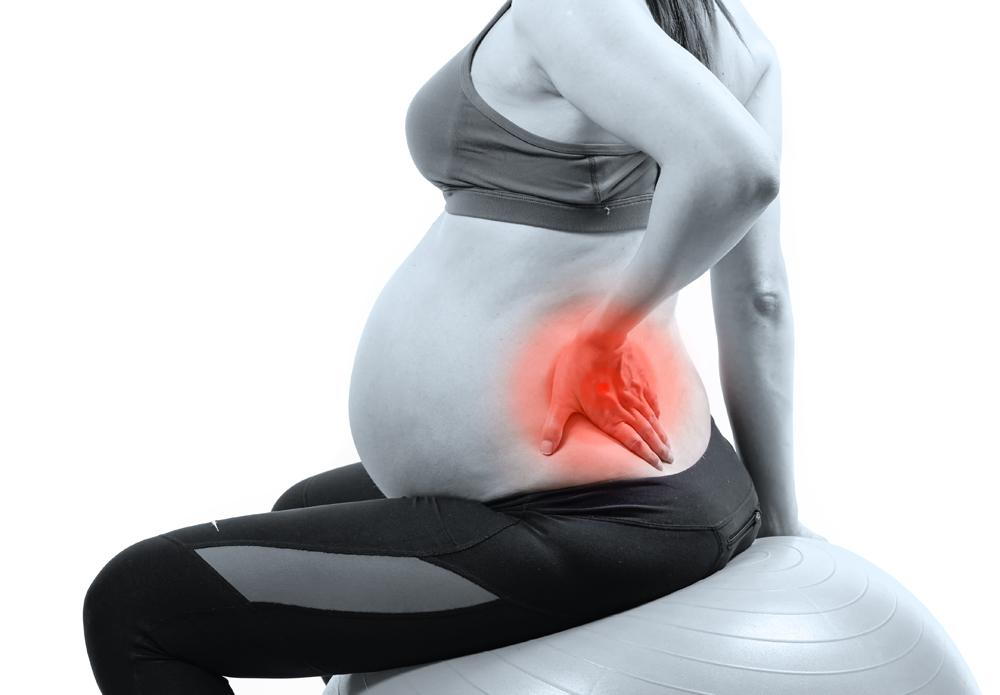
Back pain is one of the most common discomforts during pregnancy, often caused by postural changes, weight gain, hormonal shifts, and muscle fatigue. While rest helps, gentle, targeted movement is one of the safest and most effective ways to ease stiffness and support your changing body. The exercises below are widely recommended in prenatal fitness programs to help reduce lower and upper back pain, improve mobility, and promote overall comfort.
Why Exercise Helps With Pregnancy-Related Back Pain
During pregnancy, the body releases relaxin, a hormone that loosens ligaments around the pelvis and spine. Combined with a growing belly, this can strain the lower back.
Regular prenatal exercises can:
- Strengthen core and pelvic muscles
- Improve posture and spinal alignment
- Increase blood flow to tight muscles
- Reduce stiffness and daily discomfort
- Support balance as the center of gravity shifts
Safe Guidelines Before You Start
Before trying any new exercise routine during pregnancy, keep these safety tips in mind:
- Get clearance from your healthcare provider
- Move slowly and avoid bouncing
- Stop immediately if you feel pain, dizziness, or shortness of breath
- Breathe steadily—never hold your breath
- Use a yoga mat or soft surface for comfort
Best Exercises to Reduce Back Pain During Pregnancy
Pelvic Tilt
Pelvic tilts gently strengthen the abdominal muscles and ease pressure on the lower spine.
How to do it:
- Lie on your back with knees bent (or perform standing against a wall)
- Tighten your abdominal muscles
- Flatten your lower back toward the floor
- Hold for 5 seconds, then release
Benefits:
- Reduces lower back strain
- Improves pelvic stability
Cat–Cow Stretch
This slow spinal movement relieves tension and improves flexibility.
How to do it:
- Start on hands and knees
- Inhale and gently arch your back (cow)
- Exhale and round your spine (cat)
- Repeat 8–10 times
Benefits:
- Loosens stiff back muscles
- Encourages spinal mobility
Wall Squats
Wall squats strengthen the legs and support muscles that help stabilize the back.
How to do it:
- Stand with your back against a wall
- Slowly bend your knees into a squat
- Hold for 5–10 seconds
- Return to standing
Benefits:
- Improves posture
- Reduces pressure on the lower back
Seated Spinal Stretch
This stretch eases tightness in the mid and lower back.
How to do it:
- Sit upright on a chair or yoga ball
- Gently rotate your torso to one side
- Hold for 10 seconds, then switch sides
Benefits:
- Relieves spinal stiffness
- Enhances flexibility
Prenatal Yoga Poses
Prenatal yoga combines stretching, breathing, and relaxation, making it highly effective for back pain relief.
Helpful poses include:
- Child’s Pose (with support)
- Side-lying Stretch
- Supported Forward Fold
Benefits:
- Reduces muscle tension
- Promotes relaxation and body awareness
Swimming or Water Exercises
Water workouts are excellent for pregnancy-related back pain.
Why it works:
- Buoyancy reduces pressure on joints
- Water supports body weight
- Allows gentle, pain-free movement
How Often Should You Exercise?
For most pregnant individuals:
- Aim for 20–30 minutes, 3–5 times per week
- Short daily sessions are often more effective than occasional long workouts
- Consistency matters more than intensity
When to Avoid Exercise
Stop exercising and consult a healthcare professional if you experience:
- Vaginal bleeding
- Severe back or pelvic pain
- Dizziness or fainting
- Uterine contractions
- Shortness of breath before exertion
FAQ: Exercises and Back Pain During Pregnancy
1. Can exercising worsen back pain during pregnancy?
When done correctly, gentle prenatal exercises usually reduce pain rather than worsen it. Poor form or overexertion can cause discomfort.
2. Is it safe to exercise during all trimesters?
Yes, most people can exercise throughout pregnancy, but modifications are often needed as the body changes.
3. Are abdominal exercises safe while pregnant?
Yes, gentle core exercises like pelvic tilts are safe and beneficial. Avoid intense crunches or movements that strain the abdomen.
4. How soon will I notice relief from back pain?
Some people feel improvement after a few sessions, while others notice gradual relief over several weeks of consistent exercise.
5. Can I do these exercises if I already have back problems?
Many can, but it’s important to get personalized advice from a healthcare provider or prenatal physical therapist.
6. Do I need special equipment for prenatal exercises?
No. A yoga mat, chair, wall, or stability ball is usually sufficient.
7. Is walking helpful for pregnancy-related back pain?
Yes. Walking improves circulation, supports posture, and keeps back muscles active without excessive strain.
By incorporating these safe, pregnancy-friendly exercises into your routine, you can significantly reduce back pain and improve daily comfort while supporting a healthier, more active pregnancy.
