
Living in a tropical climate comes with lots of sunshine, but that also means more exposure to UV rays throughout the year. This can raise the risk of skin cancer if precautions aren’t taken seriously. In countries like Thailand, where outdoor hobbies and lifestyles are common, it’s important to understand what small habits can reduce this risk.
One of the first and easiest steps is using sunscreen daily. Even on cloudy days, UV rays still pass through and can damage the skin over time. Choose a sunscreen with an SPF of at least 30 and make sure it protects against both UVA and UVB. Applying it in the morning and reapplying during the day, especially if you sweat or go swimming, is key to long-term skin protection. Early prevention helps reduce the chance of developing conditions such as melanoma skin cancer.
Wearing protective clothing is another smart move. Long-sleeved shirts, wide-brimmed hats, and UV-blocking sunglasses can make a big difference. Lightweight fabrics designed for sun protection are widely available in Thailand and work well in hot weather. These help shield skin from direct rays and also reduce the likelihood of overheating.
Timing is also important. UV levels peak between 10 a.m. and 3 p.m., so try to limit direct sun exposure during these hours. If you need to be outside, seek shade or use umbrellas whenever possible. Small actions like walking on the shaded side of the street or standing under trees can lower exposure.
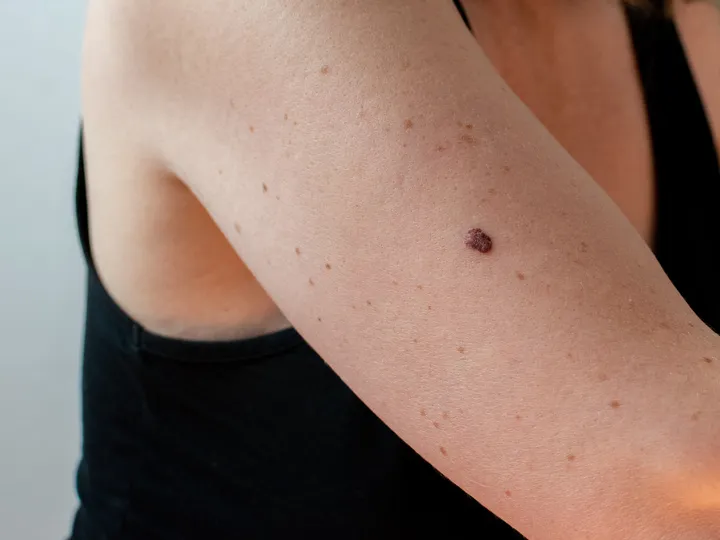
Regular skin checks at home are helpful for spotting changes early. Look for new moles or changes in existing ones. Uneven borders, changes in color, or unusual shapes are worth noting. If something looks off, get it checked by a doctor. Catching potential problems early increases the chances of successful treatment.
People with lighter skin or a family history of skin cancer should be especially cautious. But even those with darker skin can be affected. This condition doesn’t discriminate and can appear in areas you wouldn’t expect, like under the nails or on the soles of the feet.
Hydration and nutrition also play a role. Skin that’s dry or inflamed is more sensitive to the sun. Drinking enough water, eating fruits and vegetables, and avoiding excessive alcohol or smoking helps your skin stay strong. Antioxidant-rich foods like berries and leafy greens may support skin health and help it recover from sun damage more easily.
For people who spend time outdoors often, such as beachgoers, motorbike riders, or market vendors – taking extra care is essential. Keep a small bottle of sunscreen with you, wear a cap under your helmet, and consider UV sleeves for your arms if you ride during peak sun hours.
Thailand has many dermatology clinics that offer mole mapping and skin evaluations. Even a yearly check-up can be enough to catch problems before they become serious. These visits usually involve a quick scan of the body to look for anything unusual, and they don’t take long.
Children and the elderly are also more vulnerable. Kids often forget or resist applying sunscreen, so it’s up to adults to build the habit early. Older adults may already have some sun damage built up, so protecting their skin and getting checked regularly is especially important.
Avoiding skin cancer doesn’t mean avoiding the sun entirely. It just means being mindful. A few small steps each day go a long way toward keeping your skin healthy and lowering the risk of serious problems down the line.
