
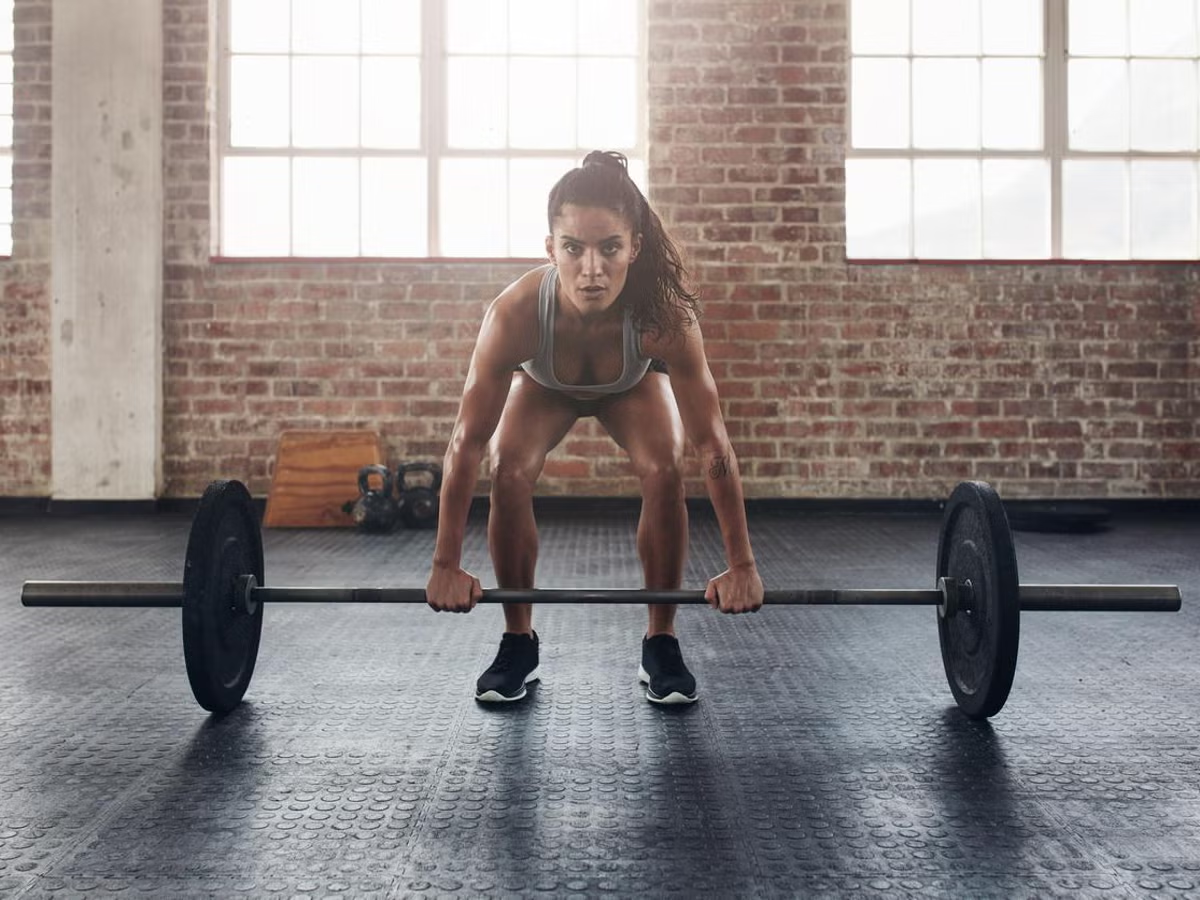
Strength training has long been surrounded by misconceptions, especially when it comes to women’s health. These myths often discourage women from lifting weights, despite overwhelming evidence that resistance training supports physical strength, hormonal balance, bone health, and long-term wellness. Let’s break down the most common myths and replace them with facts rooted in science and real-world experience.
Why Strength Training Matters for Women
Strength training isn’t just about lifting heavy weights. It involves controlled resistance exercises that challenge muscles, bones, and connective tissues.
Regular strength training helps women:
- Maintain lean muscle mass
- Improve bone density
- Support metabolic health
- Enhance joint stability
- Boost confidence and functional strength
Common Strength Training Myths—Debunked
Myth 1: Lifting Weights Makes Women Bulky
This is one of the most persistent myths.
The truth:
Women naturally produce far less testosterone than men, making it extremely difficult to gain large, bulky muscles. Strength training typically results in a toned, firm appearance, not excessive muscle size.
Myth 2: Cardio Is Better Than Strength Training for Fat Loss
Cardio is often seen as the primary tool for weight loss.
The truth:
Strength training increases resting metabolic rate, meaning you burn more calories even at rest. A balanced routine that includes both cardio and resistance training is far more effective for sustainable fat loss.
Myth 3: Strength Training Is Unsafe for Women
Some believe lifting weights increases injury risk.
The truth:
When performed with proper form and progression, strength training actually reduces injury risk by strengthening muscles, ligaments, and joints. Many injuries occur due to weak or imbalanced muscles, not strength training itself.
Myth 4: Women Should Only Use Light Weights
There’s a common belief that women should stick to very light dumbbells.
The truth:
Using progressively challenging weights is essential for building strength and improving bone density. Lifting heavier weights—safely—leads to better results without compromising femininity or flexibility.
Myth 5: Strength Training Is Only for Young Women
Age is often seen as a barrier to lifting weights.
The truth:
Strength training is beneficial at every stage of life. For older women, it helps counter muscle loss, improve balance, and reduce the risk of falls and fractures.
Myth 6: You Have to Train Every Day to See Results
Many think daily workouts are necessary for progress.
The truth:
Muscles grow and repair during rest. Training 2–4 times per week is sufficient for most women to see meaningful improvements in strength and health.
Health Benefits Beyond Appearance
Strength training offers benefits that go far beyond aesthetics.
Key advantages include:
- Improved bone mineral density, lowering osteoporosis risk
- Better blood sugar control
- Reduced risk of chronic diseases
- Enhanced posture and spinal support
- Positive effects on mental health and stress levels
Getting Started Safely
If you’re new to strength training:
- Start with bodyweight or light resistance
- Focus on proper technique
- Increase resistance gradually
- Include rest days for recovery
- Consider guidance from a qualified trainer
Consistency matters more than perfection.
FAQ: Strength Training Myths for Women’s Health
1. Will strength training make me lose flexibility?
No. When combined with proper range-of-motion exercises, strength training can actually improve flexibility and mobility.
2. Can strength training affect hormonal balance in women?
Yes—in a positive way. It can help regulate insulin sensitivity and support healthy hormone function.
3. Is strength training helpful during menopause?
Absolutely. It helps counter muscle loss, supports bone density, and improves overall energy levels during menopause.
4. How long does it take to see results from strength training?
Most women notice strength improvements within a few weeks, with visible changes typically appearing after 8–12 weeks of consistent training.
5. Can strength training help with back or joint pain?
Yes. Strengthening supporting muscles often reduces pain by improving joint stability and posture.
6. Do I need a gym to strength train effectively?
No. Bodyweight exercises, resistance bands, and dumbbells can be used effectively at home.
7. Is strength training suitable for women with busy schedules?
Yes. Even short, focused sessions of 20–30 minutes can deliver significant health benefits.
Understanding the truth behind these myths empowers women to embrace strength training with confidence—unlocking better health, resilience, and long-term vitality.
