
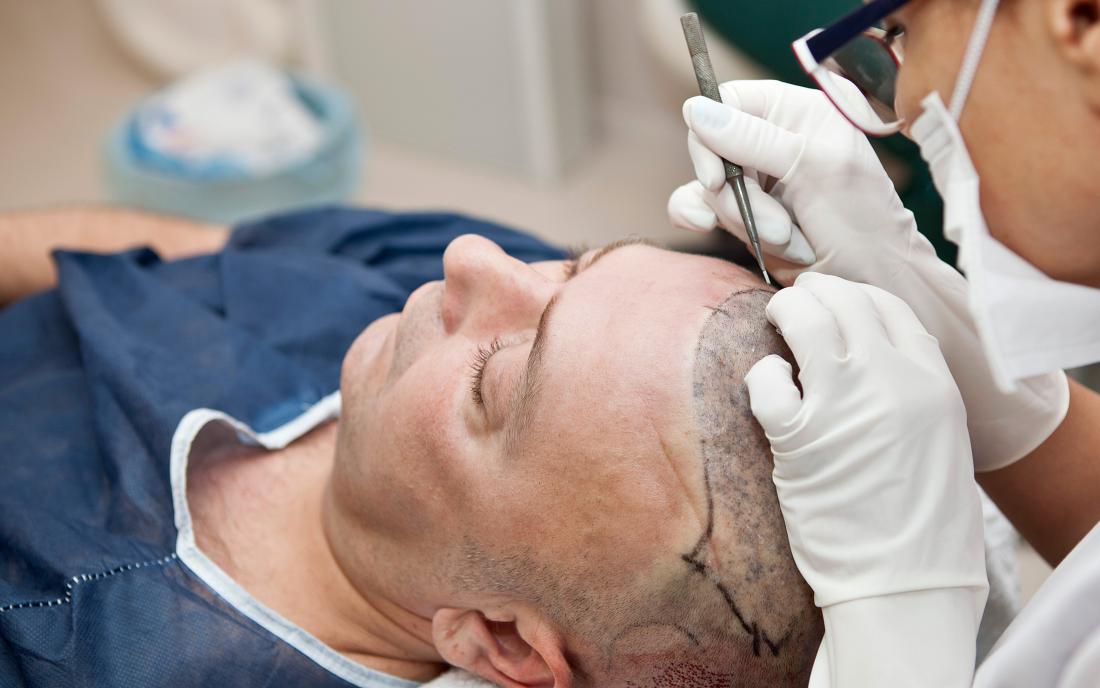
Taking time off for a direct hair transplant involves more than keeping the procedure day free. Feeling able to answer emails, looking comfortable on camera and being ready for physical work are different milestones. A recovery plan should reflect your actual routine, with enough flexibility for the surgeon to adjust it after treatment.
Your Job Determines What Returning to Work Means
Describe your work in practical terms during the consultation. Desk work at home, frequent travel and a job involving lifting or protective headwear place different demands on recovery. Rather than asking only how many days to book off, explain which activities are unavoidable and ask when each can reasonably resume.
Appearance may matter separately from physical comfort. Shaving, swelling or visible scabbing could affect how you feel about meetings or customer-facing duties. Ask what early changes are likely with the proposed procedure, while recognising that nobody can guarantee exactly how your scalp will look on a particular date.
A general recovery estimate is not medical clearance. The clinician making the plan should be appropriately registered and experienced in hair restoration, and the advice should follow an assessment of your health, scalp and proposed treatment. If work cannot accommodate the likely restrictions, discuss another date before committing.
Make the First Days Practical at Home
Obtain written instructions before the operation so you can prepare without trying to remember everything afterwards. These should cover washing, any prescribed products or medicines, sleeping arrangements and activities to avoid. Ask the team to demonstrate any care that is difficult to understand from a leaflet.
Plan around ordinary tasks that might bring the healing scalp into contact with clothing or equipment. Easy-to-manage clothing and a quieter schedule may help, but specific questions about hats, helmets and headsets belong with the treating clinician. Do not assume that covering the area makes an activity suitable.
Confirm any transport or supervision requirements associated with sedation. If you will be recovering in a hotel, consider how you will attend early reviews and obtain help if needed. The practical goal is to make the prescribed care easy to follow, rather than relying on improvisation after the procedure.
Separate Routine Reviews from Symptoms Needing Prompt Attention
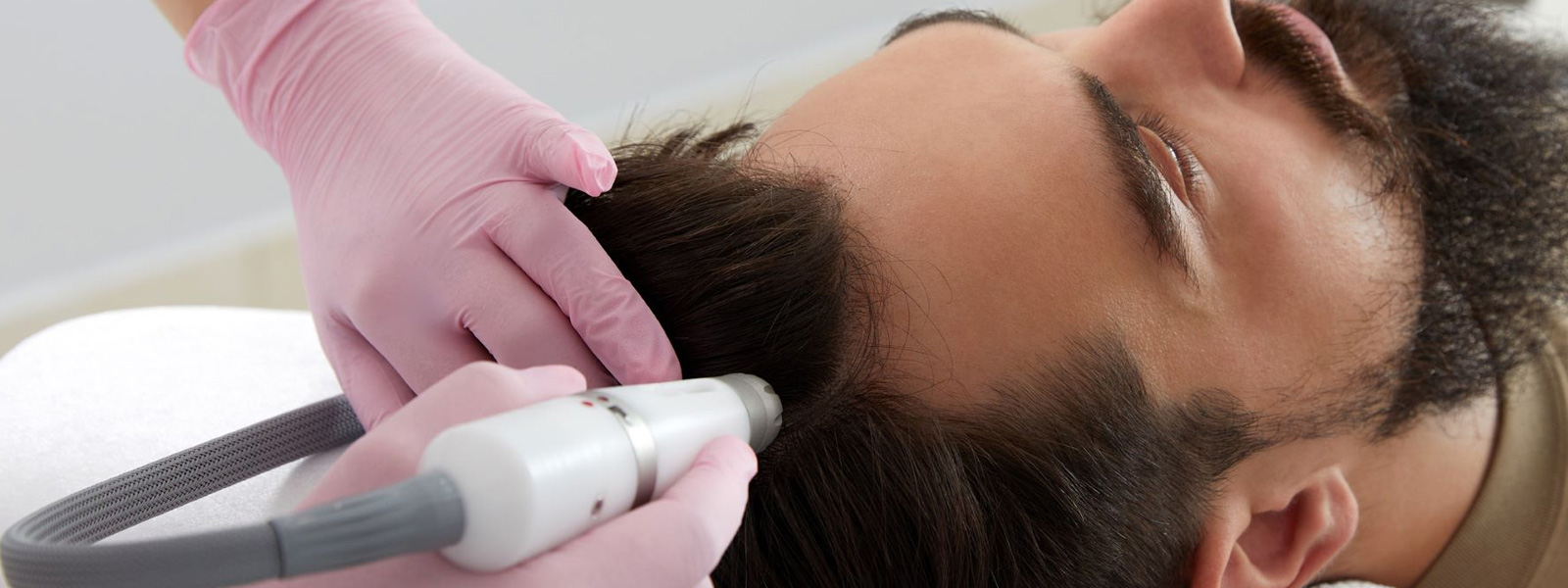
Before leaving, obtain a contact number for clinical concerns and establish who responds outside ordinary hours. Ask which symptoms are expected, which warrant a call and which need urgent assessment. Bleeding, infection and reactions to medication or anaesthesia are possible, so a routine follow-up appointment should not be the only route to advice.
Contact the treating team promptly about severe pain or unexpected symptoms instead of deciding from online photographs that they are normal. Where symptoms are severe or you cannot obtain timely advice, seek urgent medical care. Keep a record of the procedure and medicines available, particularly if another clinician may need to assess you.
Early Healing and the Final Appearance Follow Different Timetables
The scalp can look settled long before the cosmetic result is ready to judge. Transplanted hairs may shed before new growth appears, and development takes months. Ask when progress will be photographed and reviewed so that ordinary changes do not lead to repeated comparisons with a finished result seen online.
Follow the individual plan for returning to normal activities after surgery, particularly when exercise or physical duties are involved. Feeling better does not automatically mean every restriction can be lifted. Discuss important events, sport and travel early enough to leave room for a different timetable.
Allow time for care, practical recovery and appearance to progress at their own pace. A manageable return is one that fits your duties and the clinician’s assessment, with a clear route to help if something changes. Keeping the schedule flexible is more useful than relying on a promise that everyone can resume normal life after the same number of days.