
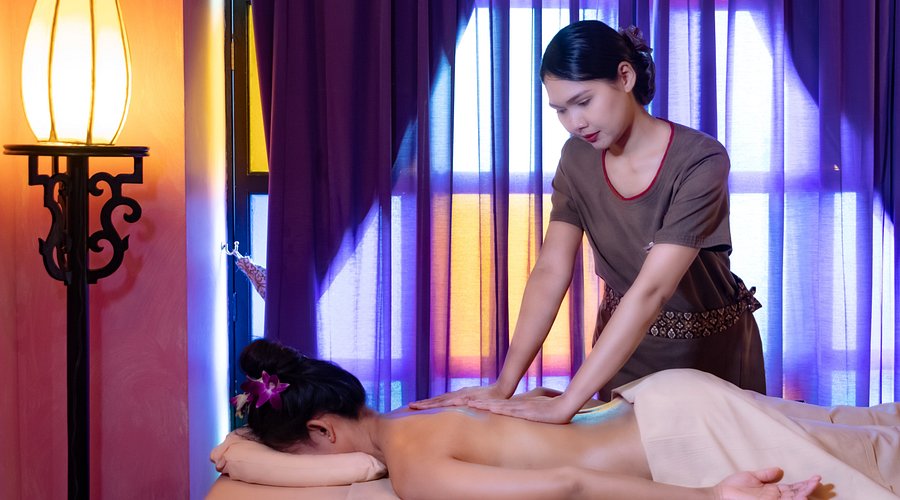
A gap between sightseeing and dinner can look like the ideal time for a treatment, until travel and changing eat into the appointment. When choosing a spa in Bangkok, start with the time you can comfortably set aside. The aim is to choose a suitable treatment and enjoy it without spending the final minutes worrying about your next booking.
Count the Whole Visit in Your Schedule
An hour on a treatment menu does not necessarily mean an hour from arrival to departure. Reception, a consultation, changing and settling the bill all take time. Ask when you should arrive and what the advertised duration covers, particularly if you are comparing a single service with a package containing several stages.
For example, a two-hour gap before dinner may suit a shorter appointment nearby better than a ninety-minute treatment across the city. Work backwards from the time you need to leave, allowing for the actual route and any preparations afterwards. A little unused time is more comfortable than a schedule that only works if every stage runs perfectly.
Location is therefore about the rest of your day as well as your hotel. Check the entrance, transport connections and final walk, then think about where you are going next. If you need to change for the evening, establish whether there are suitable facilities rather than assuming every spa offers the same setup.
Understand the Sequence Behind a Package Name
A package described as relaxing or rejuvenating may combine massage, exfoliation, heat or other services. Request a plain explanation of each stage and its duration. Someone who mainly wants quiet time might prefer one unhurried treatment to a longer package involving repeated changes of room, clothing or position.
The format of the massage also matters. Traditional Thai techniques can involve assisted stretching and compression, while an oil-based treatment has a different practical setup. Ask what clothing is provided, how privacy is maintained and whether the session can be adapted if you prefer less stretching or want particular areas left alone.
Check the total price before committing. Find out whether taxes or service charges are included, whether optional products cost extra and what happens if you arrive late. For a shared visit, confirm that the booking suits both people; choosing the same package should not require one person to accept a treatment they do not want.
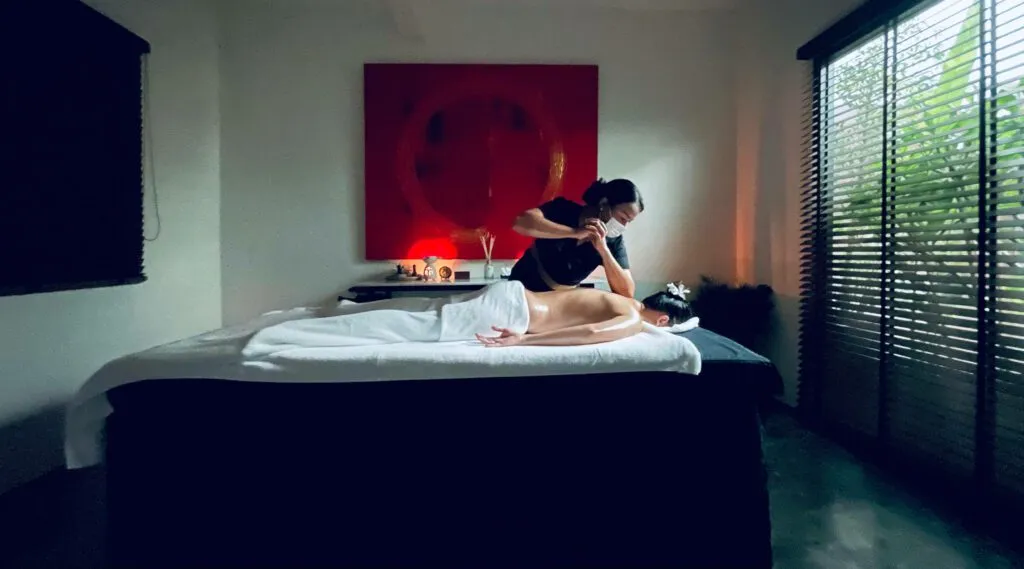
Make the Consultation Part of Your Decision
The conversation before a treatment should give you space to explain health conditions, recent procedures and relevant medicines. If you are unsure whether a treatment is appropriate, seek advice from your healthcare professional before booking. A spa appointment should not replace assessment of an unexplained symptom or an ongoing medical problem.
Ask about the therapist’s qualifications and experience with the service you have selected. The response should be specific enough to help you understand who will carry it out and how they handle individual needs. Being willing to adapt, postpone or decline a service can be a useful sign that suitability is taken seriously.
Notice practical standards when you arrive, including fresh linen, clean surfaces and clear arrangements for personal belongings. Discuss product allergies and fragrance preferences before anything is applied. If the treatment includes heat or strong pressure, make sure you understand what to expect and how to ask for an adjustment throughout the session.
Leave Time for Aftercare and a Clear Handover
Before leaving, ask what products were used and whether there are any instructions relevant to your usual skincare or planned activities. Keep enough time to get dressed and leave comfortably. If something felt unpleasant or unexpected, explain it to the practitioner rather than feeling obliged to describe the appointment as relaxing.
A useful experience depends on clear communication as much as the setting. For treatments involving hands-on care, the National Center for Complementary and Integrative Health’s advice on selecting a practitioner highlights training and experience with a person’s particular needs. Treat promises of dramatic health changes cautiously; an enjoyable pause in the day is a reasonable aim without expecting a spa visit to resolve a medical condition.
The booking should leave your day easier to manage. Choose a service you understand, a practitioner who listens and a location that fits your route, then protect enough time on either side to enjoy the break. A shorter, suitable appointment can offer better value than a larger package squeezed between other commitments.