
Supporting Active Ageing Through Movement
Singapore has one of the fastest-ageing populations in Asia, with more seniors choosing to maintain their independence and wellbeing well into their 60s, 70s, and beyond. This growing movement towards “active ageing” has increased interest in gentle, low-impact forms of exercise that are both effective and sustainable. One such practice gaining popularity among the elderly is pilates Singapore.
Pilates offers a unique blend of controlled movement, breath awareness, and balance training. It’s an ideal choice for older adults who want to stay physically mobile, improve posture, reduce joint pain, and maintain confidence in their daily movements. Most importantly, pilates can be safely practised at any age and fitness level with proper instruction.
Why Pilates Is Perfect for Older Adults
Many seniors are hesitant to start a new fitness routine due to concerns about injury or joint strain. Pilates eliminates those worries. It’s a low-impact form of exercise that puts minimal stress on joints while strengthening muscles and improving flexibility.
Joint-Friendly Yet Strength-Building
Pilates focuses on controlled, smooth movements. This makes it particularly suitable for those with arthritis or joint stiffness. The exercises strengthen the muscles that support joints, leading to better stability and reduced pain over time.
Core Strength for Stability and Fall Prevention
Falls are one of the leading causes of injury among older adults. Pilates strengthens the core—particularly the abdominal and lower back muscles—which helps maintain balance and coordination. This added stability reduces the risk of accidental falls and boosts confidence during everyday activities.
Improved Posture and Spine Health
With age, spinal alignment can deteriorate, causing stooped posture or back discomfort. Pilates exercises are designed to realign the spine, open the chest, and train the back muscles to maintain an upright position. This not only improves appearance but also reduces strain on internal organs and muscles.
Better Flexibility and Range of Motion
Many seniors experience reduced flexibility, making daily tasks like bending or reaching more difficult. Pilates gently lengthens muscles and loosens joints, helping maintain a full range of motion for longer. This contributes to smoother movement and greater comfort throughout the day.
Cognitive and Emotional Benefits of Pilates for Seniors
The benefits of pilates extend beyond physical fitness. The practice supports cognitive function, mental wellness, and emotional balance—areas that become increasingly important as we age.
Mental Focus and Memory Support
Pilates requires concentration, coordination, and breath control. These elements stimulate brain activity and reinforce the mind-body connection. Engaging in mentally stimulating physical activity has been linked to improved memory and reduced risk of cognitive decline.
Stress Reduction and Mood Enhancement
Pilates incorporates deep, rhythmic breathing that calms the nervous system. For older adults who may be experiencing lifestyle changes or isolation, pilates offers a sense of routine, relaxation, and empowerment.
Social Engagement and Community
Joining a group pilates class provides valuable social interaction. It creates a sense of belonging, which is vital in combating loneliness and depression among seniors. Many older participants report that the friendships formed during sessions are just as important as the exercise itself.
Getting Started: What Seniors Should Know Before Their First Class
If you’re an older adult looking to explore pilates, or helping a parent or loved one get started, here are a few important points to consider:
Seek a Studio That Offers Senior-Friendly Classes
Not all pilates classes are suitable for beginners or older adults. Look for studios that specifically offer classes for seniors or “gentle pilates.” These sessions focus on slow, safe movements, use props for support, and are led by instructors experienced in working with older clients.
Mat vs. Reformer Pilates: What’s Best for You?
-
Mat Pilates involves bodyweight exercises performed on a cushioned mat. It’s a great introduction and can be easily practised at home as well.
-
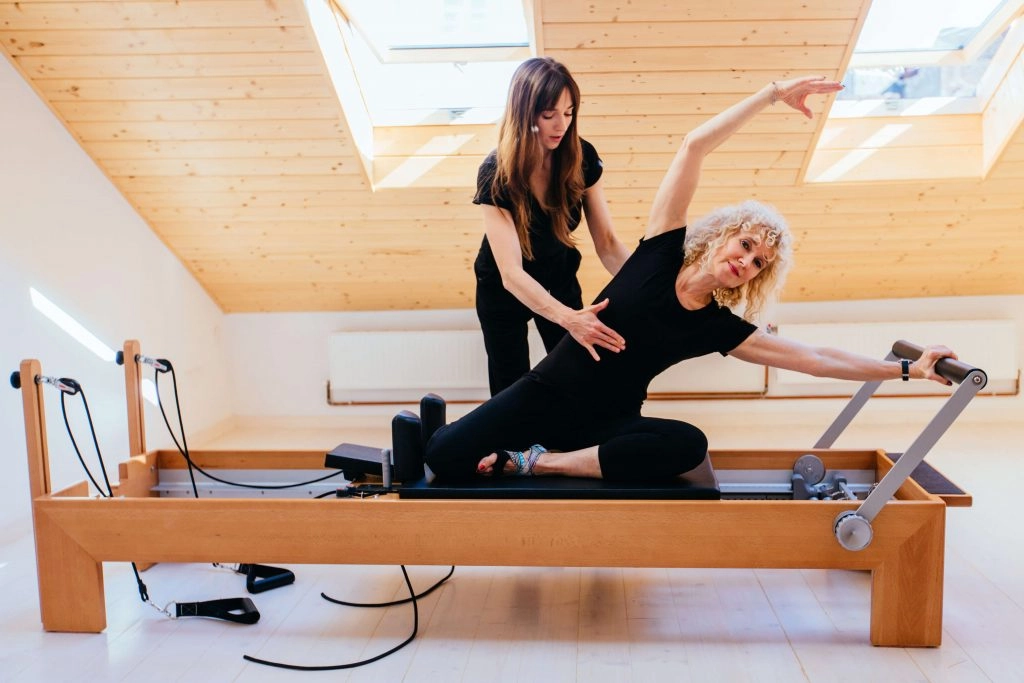
Reformer Pilates uses a spring-based machine that provides resistance and support. It’s excellent for controlled strength building but may require guidance for those unfamiliar with the equipment.
Studios like Yoga Edition offer both options with modifications tailored to individual mobility and experience levels.
What to Bring and Wear
-
Comfortable, stretchable clothing (no zips or buttons)
-
Non-slip socks for better grip
-
Water bottle
-
A small towel
Studios usually provide mats and equipment, but you can bring your own for comfort or hygiene reasons.
Tailoring Pilates to Your Fitness Level
The beauty of pilates lies in its adaptability. Each movement can be adjusted based on physical ability, making it accessible for those with limited mobility, past injuries, or health conditions.
Examples of Modified Pilates Movements for Seniors:
-
Pelvic Tilt (improves lower back flexibility)
-
Leg Slides (gentle hip mobility)
-
Spinal Rotation Seated Twist (enhances spinal mobility)
-
Wall Roll Down (builds core and posture awareness)
-
Toe Taps (safe abdominal strengthening)
Instructors will also incorporate props such as resistance bands, foam rollers, and bolsters to provide support where needed.
How Often Should Seniors Practise Pilates?
Starting with two sessions per week is recommended. This allows time for the body to adapt while still promoting consistent progress. As confidence and strength grow, seniors can increase the frequency or integrate short home-based sessions in between.
Consistency is more important than intensity. The goal is to create a sustainable, enjoyable movement routine.
Frequently Asked Questions
Q. I’m over 70 and have never exercised before. Is it too late to start pilates?
A. Not at all. Pilates is safe and effective for all ages. Seniors in their 70s, 80s, and even 90s have experienced benefits from gentle pilates. Just begin at your own pace and choose classes designed for beginners or older adults.
Q. Will I need medical clearance before joining a pilates class?
A. If you have pre-existing conditions or mobility issues, it’s best to consult your doctor first. Once cleared, inform your instructor about any concerns so they can provide suitable modifications.
Q. Can pilates help relieve arthritis pain?
A. Yes. Pilates improves joint flexibility, strengthens the surrounding muscles, and enhances circulation—all of which contribute to reduced arthritis discomfort and improved joint health.
Q. What if I can’t get on the floor for mat exercises?
A. Many movements can be modified for seated or supported positions. Some classes even use chairs or walls to make exercises more accessible. You won’t be pressured to perform movements that are uncomfortable or unsafe.
Q. Is pilates better than walking for seniors?
A. They complement each other. Walking is great for cardiovascular health, while pilates improves strength, balance, and flexibility. A combination of both provides a well-rounded fitness approach.
